



EcoAI main pillars
The use of AI systems has increased exponentially in recent years across a wide range of sectors, including climate change mitigation. The use of AI systems to mitigate or adapt to climate change has been also strongly encouraged by the EU, that invested a large amount of its resources in the twin “green and digital transition”, a central issue in the European Green Deal. However, while the existing AI regulation promotes a trustworthy, human-centric approach to AI, what is missing is a robust regulatory discourse and a roadmap that promotes an environmentally sustainable and eco-centric approach to AI.
EcoAI seeks to anticipate the negative effects that the absence of a regulatory framework specifically regulating the issue may cause in proposing a new EU regulatory framework for an ecological AI, which may also be used as a blueprint for a New EU Framework on ecological technologies more broadly and for a New legal Framework on ecological AI in Non-EU countries.
To build this new framework, the innovative concept of “Ecological AI”, i.e. the possibility of using AI in an “ecological” way for the public good, in accordance with the fundamental rights enshrined in the Charter of Fundamental Rights of the EU, will be developed and tested in intersectoral practical environments and in two different legal frameworks, i.e. the EU and Brazil. Legal and literature gaps will be filled using a strong interdisciplinary approach, bridging law, computer science, and political sciences, with some exposure to sociology, taking into primary account the needs of the public and private sector, and those of citizens, who are the category mainly exposed to the negative effects of climate change.
FOCUS ON
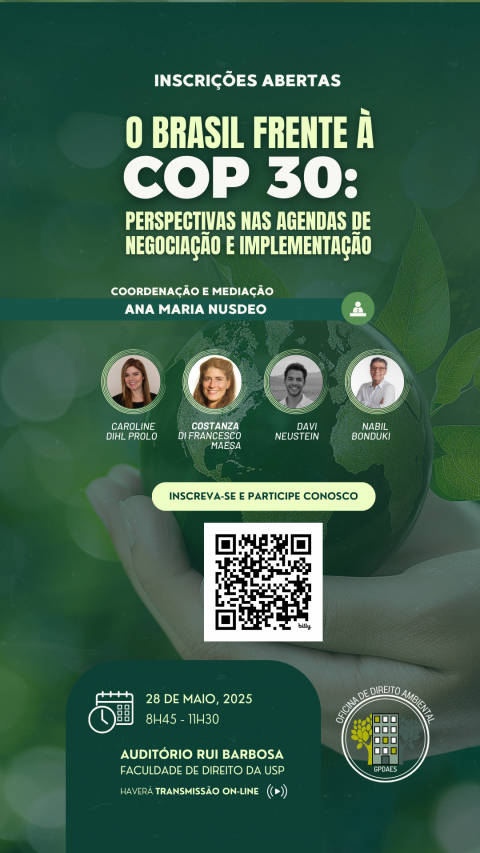
Presentation of my project at the seminar entitled ” Brazil facing COP 30: perspectives on negotiation and implementation agenda”
Speaker at the seminar entitled ” Brazil facing COP 30: perspectives on negotiation and implementation agenda”, held on the 28th of May 2025. Title of my … Continua a leggere
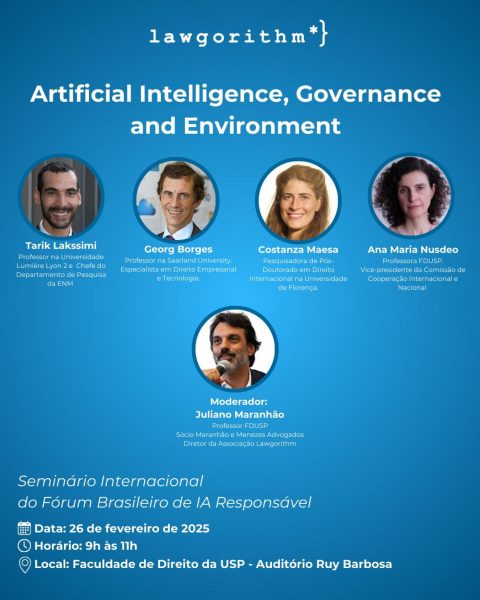
Presentation of my project at the International seminar of the Brazilian Forum on a Trustworthy AI, “Artificial Intelligence, Governance and Environment”
Speaker at the International seminar of the Brazilian Forum on a Trustworthy AI, entitled “Artificial Intelligence, Governance and Environment”, held on the 26th February 2025. Title … Continua a leggere
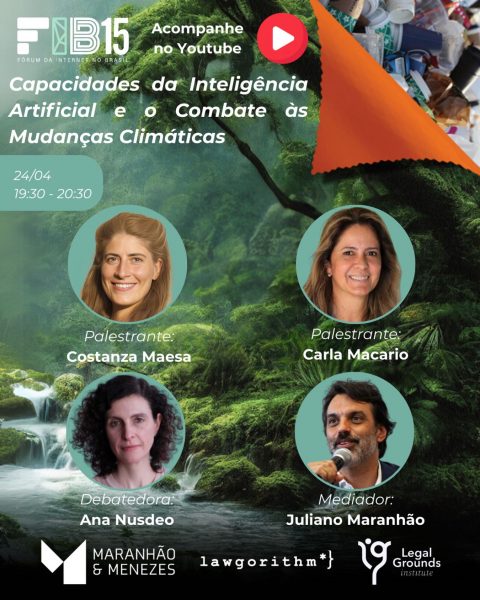
Presentation of my project at the seminar on “Artificial Intelligence’s capabilities and the fight against climate change”
Speaker at the seminar, held on the 24th April 2025, on “Artificial Intelligence’s capabilities and the fight against climate change”. Title of my contribution: Costanza … Continua a leggere